AIHS has published a media release raising awareness about near misses in the agricultural sector as part of National Farm Safety Week (20–26 July).
According to Safe Work Australia statistics, Agriculture, Forestry, and Fishing are among the industries with the highest number of worker deaths, with an average of 38 people losing their lives each year across this important sector.
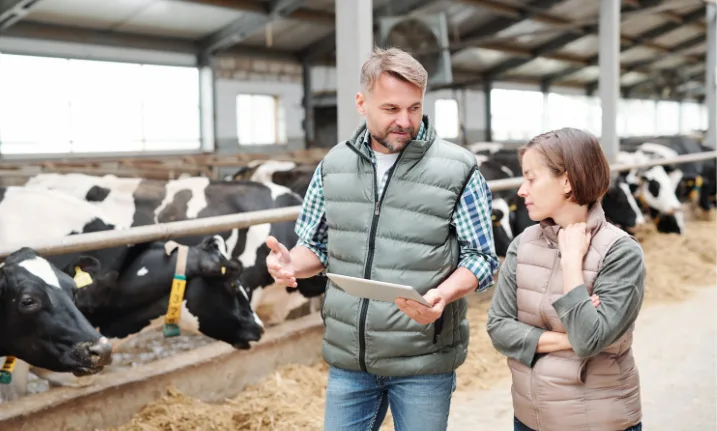
The combination of heavy machinery, chemicals, animals and outdoor, often remote, work make for challenging daily risks. Compounded by factors like fatigue, familiarity and time constraints, these work environments emphasise the fact that second chances aren’t guaranteed.
The Safety Week organisers, Farmsafe Australia, highlight the most common compounding factors as daily topics such as “Familiarity Can Be Fatal – Don’t Let ‘I’ve Done It 1000 Times’ Be The Last Time”. Each one encourages workers to reflect on all the little close calls that might otherwise be dismissed.
The Australian Institute of Health & Safety (AIHS) CEO, Julia Whitford, said this year’s Farm Safety Week theme, ‘Second Chances – Who Knows How Many You’ll Get?’, is an important reminder to turn near misses into a valuable lesson.
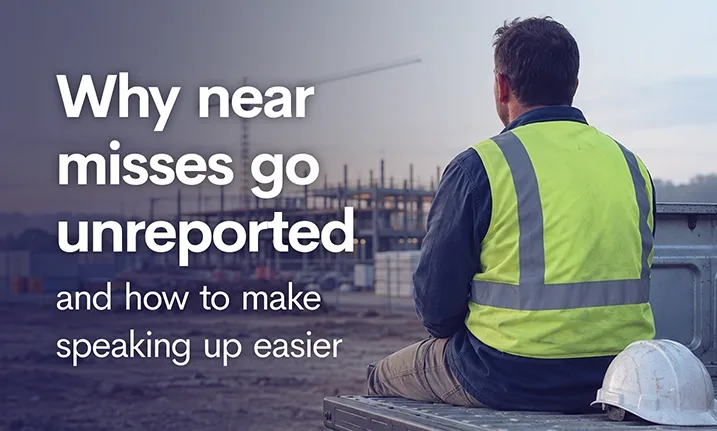
“Near misses aren’t just lucky escapes – they’re important warnings. If we pause to reflect and act after a close call, we can mitigate that risk and prevent future incidents.”
How can AI-powered safety monitoring change things for the industry?
Agricultural environments are complex to manage for the most prepared worker. However, advancements in technology offer promising solutions. AI safety monitoring can integrate with existing workplace cameras around farm buildings to detect a range of unsafe acts and hazards using computer vision.
With this technology, users can be proactively notified of near misses or safety hazards. Whether it’s monitoring for missing PPE, spotting workers slipping in wet or muddy areas, particularly around irrigation points or packing sheds, or detecting people walking too close to moving tractors, harvesters, or other equipment. This means the capture of near misses that humans might be oblivious to.
Insights can be viewed via dashboards that allow compliance to be tracked over time, so areas that require immediate attention can be easily identified. This kind of integration enhances the safety net within agricultural settings by providing real-time analysis and early warnings of potential risks.
Interested in exploring this technology further? Talk to us today to learn more about computer vision and its applications for the agriculture industry.
Subscribe to the monthly newsletter to receive the latest work health and safety information straight to your inbox.